PSYC 491 and 492
During the Research Team experience, a small group of students (typically, 4-5) will study a particular topic in psychology in depth. Over the course of the academic year, the team works closely with their instructor to develop a hypothesis, design a study to test that hypothesis, submit an Institutional Review Board (IRB) application for approval to conduct the study, analyze the data collected following execution of the study, and report the study. In addition, the team reports their study orally at both local (i.e., the departmental Psi Chi Symposium and the university-wide Research and Creativity Day) and regional (i.e., the Virginia Psychological Association conference) venues. Typically, students produce an APA-style paper based on the project suitable for submission to a professional journal also. Last, the group may decide to produce a poster for presentation at a national conference, and may decide to prepare and submit a paper to a professional journal.
Research teams are populated during the spring semester prior to the start of the PSYC 491 course during the subsequent fall semester, and students commit to taking both PSYC 491 that fall and PSYC 492 the following spring. Professors who will supervise a research team present their topics and ideas at a “Research Showcase,” and if you find a professor whose research interests match your own, you may ask to be a part of that professor’s research team.
Students who complete the Research Team experience enroll in PSYC 491 – Individual Study for 3 credits in the fall semester, and PSYC 492 – Individual Study for 3 credits in the spring semester. Prerequisites for PSYC 491 include PSYC 261 – Introductory Statistics for Psychology, PSYC 362 – Research Methods for Psychology, and permission of instructor.
Scroll to read more about our current and future research team topics!
2026-2027 Research Team Instructors and Topics:
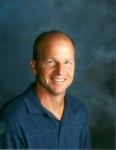
Dr. David Kolar
Human behavior is causing harmful changes to the environment and researchers have called for social scientists to more closely examine how human behavior impacts the environment as well as what people can do to help conserve the environment. Next year my research team will focus on how we can take what we know about psychology and apply it to issues related to the environment. In previous years my research teams have studied a variety of things related to the environment including food waste, water use, attitudes about the environment, and cognitive processes that influence environmental behavior. I am open to doing research in any area related to environmental issues and psychology next year and will leave the exact nature of the research up to the students working with me. Please note that you don’t have to be an expert on environmental issues to be on my team, but you should be interested in them. Some possible questions/areas include: 1) Overconsumption: People in the U.S. buy more products and consume more resources than most other countries. Why? What can we do to change this? 2) Why are some people more concerned about the environment than others? 3) How can we change behaviors related to the environment? 4) How do attitudes about the environment develop and are there age differences in environmental behavior? 5) How do others influence our attitudes about the environment? 6) An applied study with a local non-profit environmental organization. 7) How can we get people to waste less food and compost more?
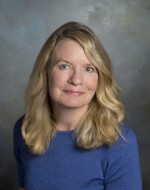
Dr. Christine McBride
My research teams tend to explore why we eat what we eat. We have studied attentional focus
on food using the eye-tracker, the roles of guilt and mindfulness in stress-induced eating, the
types of stressors (e.g. cognitive or social) that elicit eating behavior, how descriptive norms
impact eating, the effect of social environment and social media on eating, and the impact of
menu design. We have studied eating in both adults and children. One of my previous research
teams studied how and why people justify decisions to eat “junk food”. For example, have you
ever said to yourself, “If I study for 10 more minutes, I can go have some ice cream!” We found
that those who put effort into a task tend to indulge on more potato chips and chocolate than
those who do not put in effort and following up on this line of research would be fun. Generally,
my students gain experience in both survey-based research and experimental, laboratory-based
designs to answer research questions about eating behaviors. The exact topic we study next year
will depend on the interests of the team members.
I look forward to working with students who are extremely reliable, motivated, inquisitive, and
love the research process! Our goal will be to present at a national or regional conference if
funding is available.

Dr. David Stahlman
Dr. Stahlman’s 491/2 research team will perform experimental behavioral work using a
nonhuman animal model. This will likely be the laboratory rat (Rattus norvegicus) but there is
the possibility of working with other species. In addition to the typical 491 team responsibilities
(e.g., literature review, experimental design, data collection and analysis) team members will
have important roles in animal handling and care.
It is often surprising to students how much we don’t yet know about basic behavioral
processes—and it will be largely up to the students what open question(s) we seek to tackle. In
the past, my teams have studied spatial learning (e.g., using mazes), novel object recognition and
its relation to creativity, non-associative learning, the control of behavioral variability, and other
topics.
Preference for placement on this team will be given to students who can commit to meeting on
Mondays and Wednesdays from 3:30pm-4:45pm.
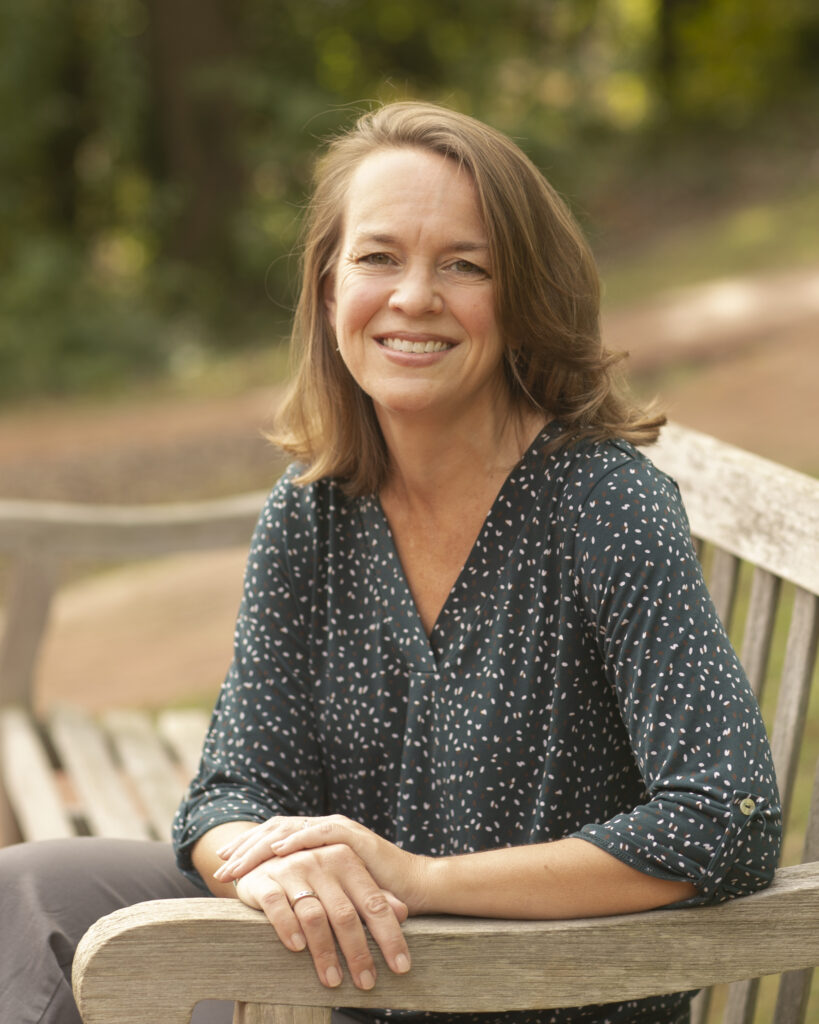
Dr. Hilary Stebbins
My research interests revolve around two topics. First, I am interested in factors related to sleep
in college students, such as how sleep deprivation and circadian preference (whether you are a
morning or evening person) relate to cognitive performance and behavior. Second, I am
interested in the neurotransmitter dopamine and how individual dopamine functioning relates to
our behavior. One correlate of dopamine function is the spontaneous eyeblink, which we can
measure with electrooculography (EOG). Dopamine has been linked to a number of interesting
traits such as reward-based learning, impulsivity, creativity, addiction potential, and even
egalitarian behavior. Ideally, I would like my 491/492 team to find a way to link dopamine to
questions about sleep. For example, one of my past teams found that as people report higher
levels of sleepiness, they show higher dopamine function and also have more difficulty
controlling impulsive actions. However, we will work as a team to design one or more studies
during the year, and I am open to the direction of the research as long as it involves one of my
areas of interest. You do not need to have a strong background in biology to work on this project,
but you do have to be motivated to learn about these variables and be committed to doing
experimental work in the lab. If you have questions or are interested in learning more about
these variables, stop by my office (Mercer 328) or send me an e-mail (hstebbin@umw.edu).
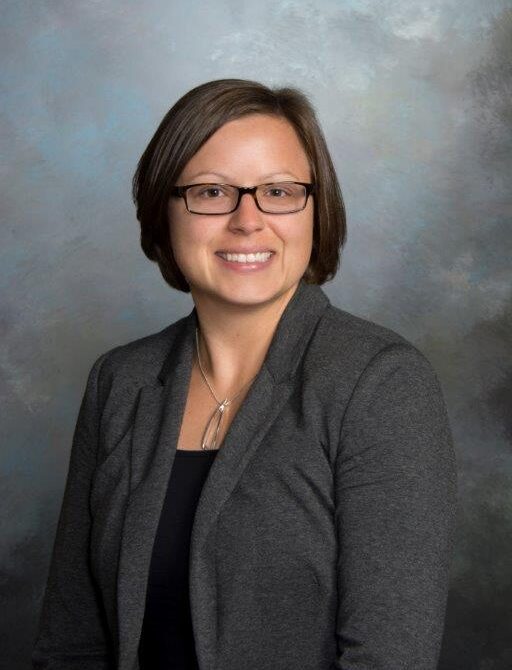
Dr. Laura Wilson
Research has shown that approximately 30% of women in the United States experience stalking
during their lifetime. Stalking places survivors at increased risk for PTSD, depression, anxiety,
substance abuse, and physical health difficulties. Despite this, very little research has examined
potential ways to better support stalking survivors. I am open to any ideas related to the topic of
stalking, but two potential research questions to pursue are: (1) How do people typically respond
to stalking survivors? Studies on other forms of interpersonal violence have found that negative
social reactions are robust predictors of long-term outcomes among sexual assault survivors.
Only a very small number of studies have examined the impact of social reactions received by
stalking survivors. (2) How do survivors conceptualize the stalking they experienced? Studies
with rape survivors have found that the majority use non-victimizing language to describe what
happened, such as saying it was a “miscommunication.” No published work has examined how
stalking survivors conceptualize what happened to them. If you are thinking about ranking my
team, the most important thing is that you need to be okay with talking about trauma. If you are
concerned that the topic may be triggering for you personally, then I would recommend not
ranking my team. Also, I am pre-determining that my research team class time will be Tuesdays
and Thursdays from 2:00pm-3:15pm during the Fall semester. Please only rank my team if you
could make that day/time work for our class in the Fall.