Five UMW undergraduate research students–Ned Gable (Environmental Science and Chemistry ’27), Calleigh Keeley (Environmental Science ’26), Ainsley Lord (Environmental Science and Conservation Biology ’26), Sophia Pedroza (Environmental Science and Conservation Biology ’26)–and their faculty mentor, Dr. Pamela Grothe, attended the American Geophysical Union’s Ocean Sciences Meeting in Glasgow, Scotland, from Feb. 22 – 27 to present their undergraduate research projects. Dr. Grothe and the students are reconstructing climate conditions in the tropical Pacific using geochemistry from coral skeletons and clam shells. They presented four posters, ranging from testing new coral and clam species as climate recorders to using fossil samples to reconstruct past climate conditions before instrumental records.
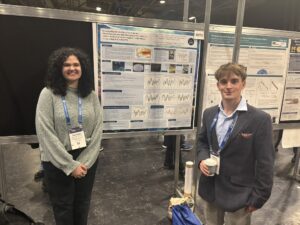
“It was such a great experience to not only share our research with the Ocean Sciences community, but to learn and improve by seeing other studies. Being able to experience a conference, especially internationally, has been one of the highlights of my time at the University and helped to shape the scientist I hope to be!” – Calleigh Keeley
“My time in UMW Individual Research has given me the opportunity to attend once in a lifetime events like the Scotland 2026 Ocean Science Meeting, an amazing conference that gave me exposure to the scientific community, scientific communication and network building. I am grateful to my mentor, Dr. Pamela Grothe, for the opportunity to make an impact in the scientific community and build important skills that I will carry on to my career.” Ned Gable

“I am grateful for both the opportunity to share the research I have done with Dr. Grothe’s lab and for the exposure to other fields in marine sciences. In particular, I was able to attend a presentation session about paleoclimate proxies that has deepened my understanding of the field and will influence my research at UMW.” Sophia Pedroza

“Being able to travel and present my research has made me feel more confident in my ability to communicate science and network with people outside of Mary Washingtons network. My overall experience at AGU made me feel more confident in a science centered space, and being able to talk with people who I had met at previous conferences helped me realize that people remembered our research and wanted to share in the excitement of new findings we had made.” Ainsley Lord
“My experience at the conference was amazing! Not only did it help my skills are a presenter but as a learner as well. With every person I talk to on my research I felt myself grow in confidence. Allowing me to take in all feedback given and consider it for future references. While listening to others speak, I learned how to ask meaningful questions to better understand their work. This trip not only grew me as a student/researcher but as a person as well. It really reaffirmed my path of being in research and makes me want to continue my studies past UMW. Dr. Grothe and all my fellow research students that went on this trip brought out a better side of me. I will always remember this experience, and what it brought. Even though it was only a few weeks ago I already miss it.” Avery Duncan
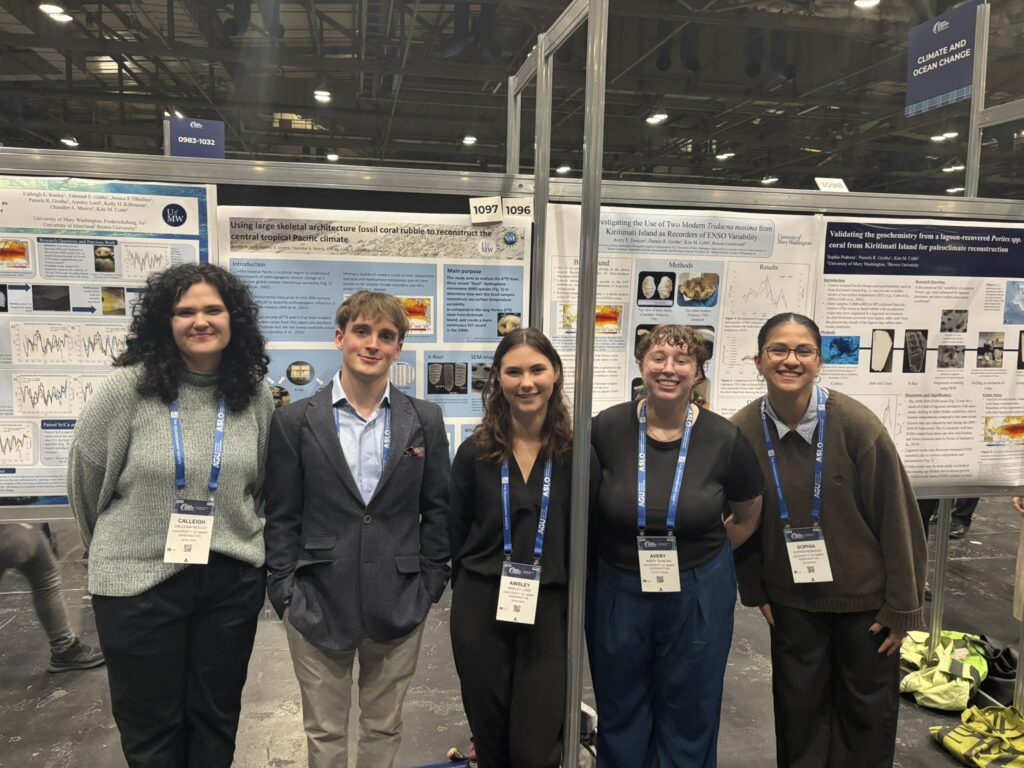
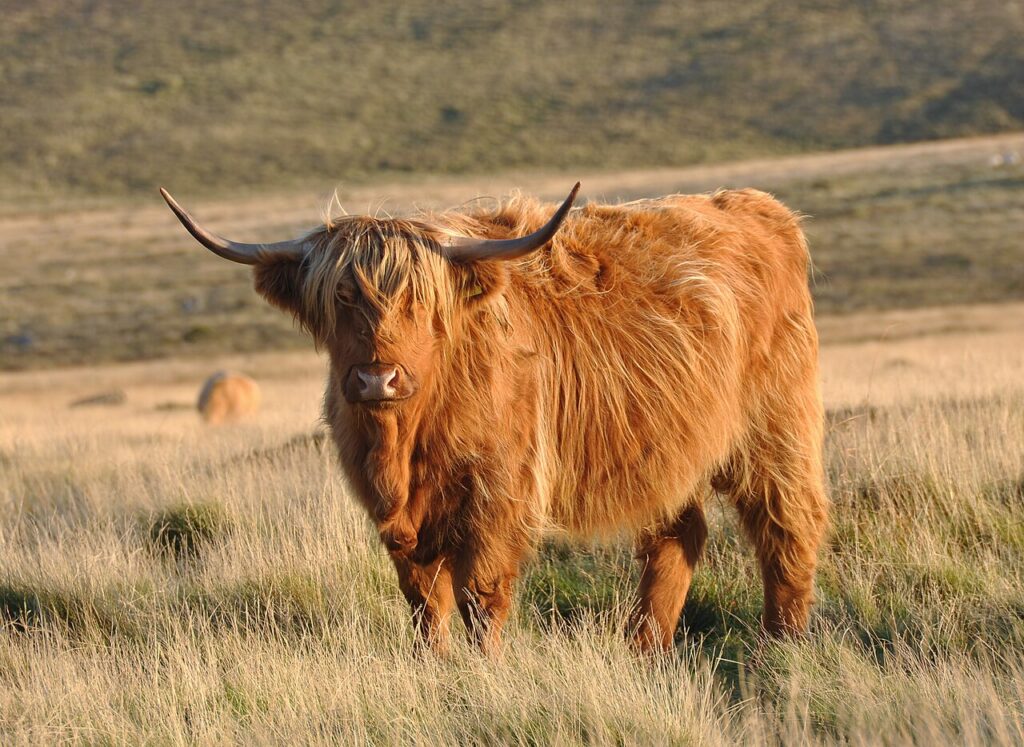
“I think the highlight of their experience was seeing my foundational work repeatedly cited by many other researchers. That puts into perspective how science works, that each new finding leads to more research questions and more discoveries. Oh, and the Scottish cows!” Dr. Pamela Grothe
Leave a Reply