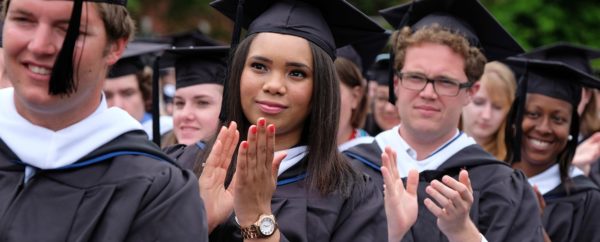
ENLI Beyond UMW
Graduates in both English and Linguistics end up in an amazing variety of careers. To choose your own career path, you need to get to know the available options. You also need to know yourself. Fortunately, the programs in ENLI are excellent preparation for both. Through the pages here, you can explore careers in English, Linguistics, and Education, as well as where graduate study might take you after UMW. If you’re a creative writer, you might be interested in this guidance too.
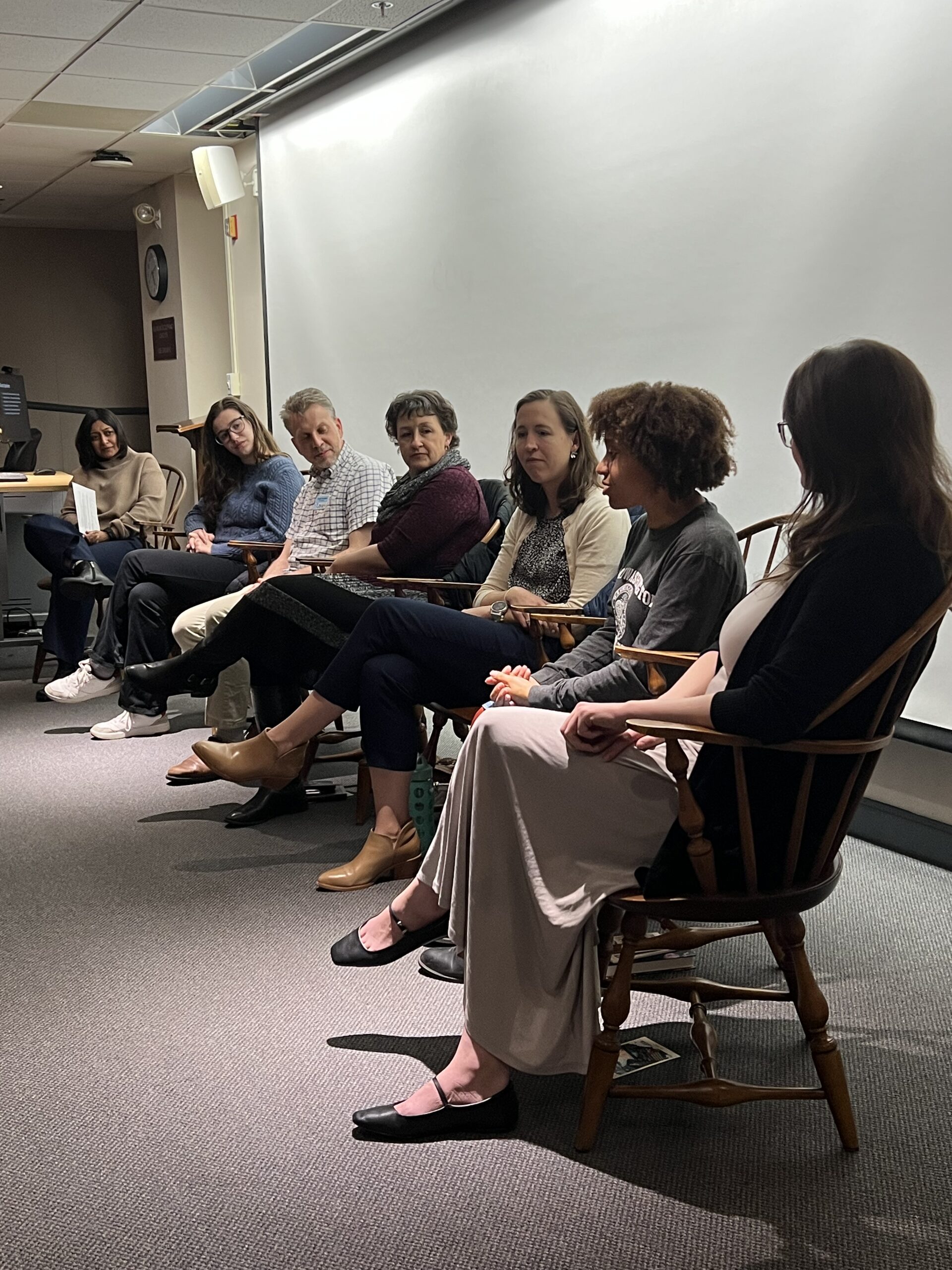
Career Path Resources
Department Career Advisors:
English: Dr. Maya Mathur
English-Creative Writing: Professor Colin Rafferty
Linguistics: Dr. Janie Lee
Read about ENGL 401: Professional Identities, our department course that helps prepare you in personal and practical ways for your next steps and fulfills the After Mary Washington requirement.
See everything the UMW Career Center offers English majors, and join Handshake.
General Advice: Make Yourself Employable
Everything you do in college can help you move from UMW to a satisfying career. Read on for information on how course choices, work, volunteerism, internships, activities, and connections can prepare for a career ideal for you.
You may also want to review why students major in English and look back at the career materials you used in English 295 or the senior seminar on translating your English, creative writing, and linguistics skills for employers.
Choosing Your Courses
ENLI students at UMW find that their programs provide both a strong general background and the flexibility to explore the areas most interesting to you. This means you can take courses that excite and challenge you while also preparing for a successful career. Many ENLI alums report that they got their jobs thanks to the writing, communication, and critical thinking skills they learned at UMW. You can also get credit in the major for internships, study abroad, community engagement courses, and independent study projects that take you outside the traditional classroom.
Talk with your advisor about your personal objectives as you select courses each term. If you are trying to position yourself for a specific field of employment or graduate program, ask your Handshake contacts what courses they have found most helpful or wish they had taken.
Exploring and Gaining Experience
Whether you’re not yet sure what career you’d like to pursue after college or you’re already set on one and eager to get started, consider the wide variety of college-related opportunities for exploring your interests and developing knowledge and skills beyond the classroom. Not only can these experiences be resume-building opportunities, they can help you identify interests and build strengths and connections with others.
- Internships are an excellent way to investigate potential career paths, add to your skills, and make contacts. Learn more at the Center for Career and Professional Development website.
- Work offers you a way to earn a reputation as a reliable, intelligent worker. Many positions ask for a recommendation from a former employer. No matter what the job, recruiters are always pleased to learn that you showed up on time, brought a good attitude, worked well with others, demonstrated initiative, maintained your integrity, or won the respect of co-workers.
- Volunteering can be an excellent way to develop skills related to your intended career path. It also helps you learn more about potential careers and make contacts in fields that interest you. English majors can volunteer through COAR, work directly with community organizations, and take ENGL 399, Community Service Learning, which partners with local organizations to place students in volunteer positions that use your literacy skills.
- Activities offer another way to enhance your credentials and make useful contacts. Gain leadership skills by serving as an RA, financial skills by managing a club budget, management skills by organizing a club event, or people skills by pulling a team of volunteers together. With UMW’s many clubs, teams, and organizations, your fun activities can also help you develop skills for which future employers will value.
Connecting with Others
Making connections is a key part of moving from college to career. Get to know your fellow students and professors outside class, and join at least one club or team or organization. Most important, whether you are a natural networker or a thoughtful introvert, join Handshake as early as possible to get access to career information, internship and job announcements, and the wonderful network of UMW alumni willing to speak with current students about careers.
Asking for Recommendation/Reference Letters
It can be intimidating to ask faculty to support you in your applications for jobs and graduate school. But one of the many benefits of a school like UMW is that your professors truly know you, and they can be great resources. Writing letters for students can take a lot of time, so be respectful of that when you ask. Here’s some guidance about seeking letters of recommendation or reference that can make the process smoother.